
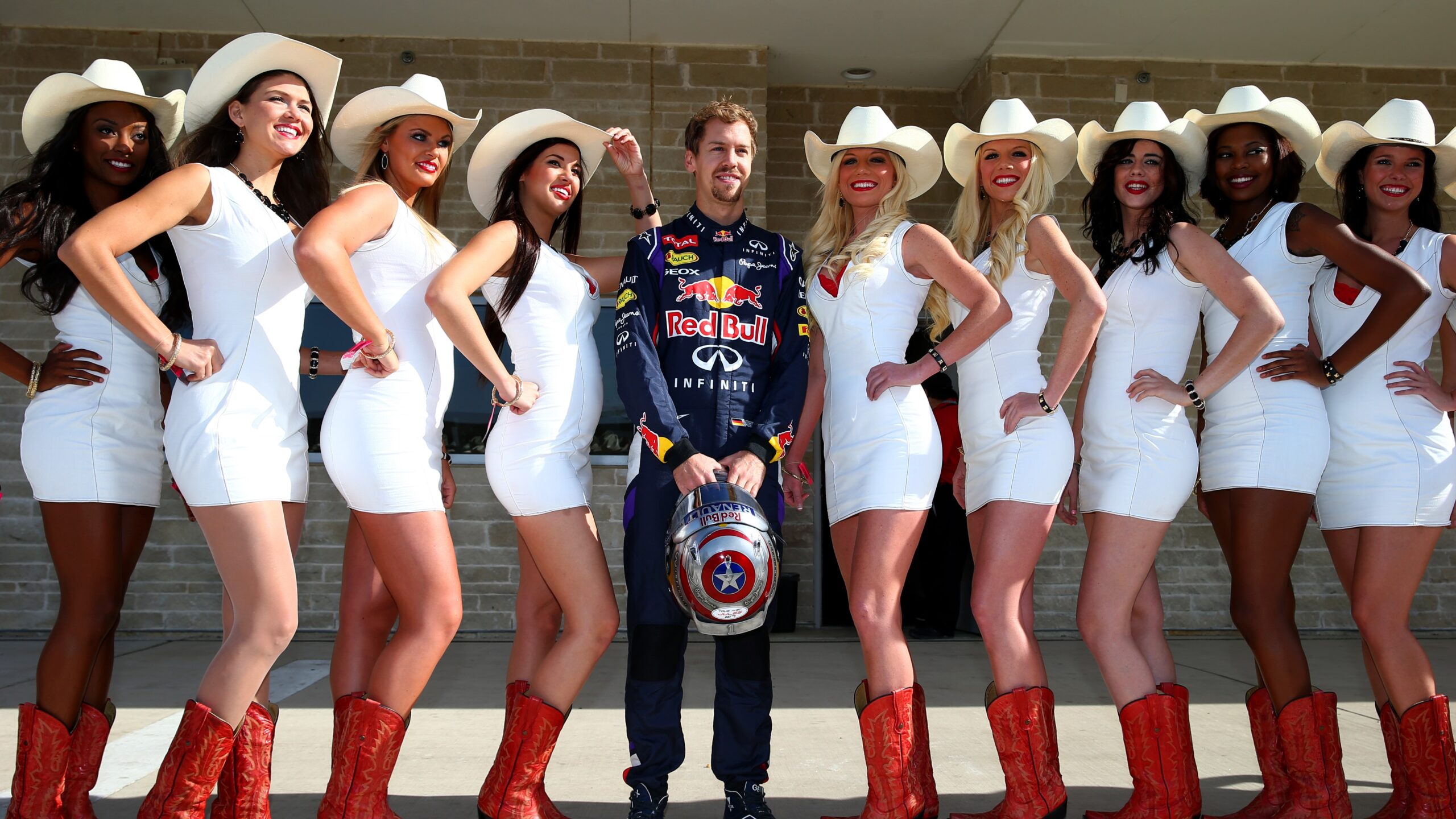
I grew up watching F1 in the 80s and 90s in a time when grid girls were a familiar part of race weekends in Formula 1. At the time, I never really paid that much attention to it all. But recently a conversation with another F1 fan sparked the question ‘whatever happened to the Grid Girls?’
Looking it up I found that in 2018, Formula 1 officially ended the use of grid girls. The decision marked a significant cultural shift within motorsport, a move away from women as objects to a more inclusive role. For me, I wasn’t too concerned. Formula 1, by its nature, is grandiose and over the top. Grid girls were part of that and to me, at least, didn’t meant that women couldn’t be found elsewhere in the garage.
Why Were Grid Girls Removed?
- A Changing Cultural Landscape
By the late 2010s, global attitudes toward gender representation in sports and media had begun to shift considerably. Critics argued that using women primarily as promotional models did not align with modern values of equality and professional recognition.
Following Liberty Media’s acquisition of Formula 1, leadership emphasised the need to modernize the sport’s image. At the time, F1 Chairman Chase Carey stated that the practice was no longer consistent with the organization’s brand direction and values.
- Brand and Audience Evolution
Formula 1 was actively working to attract a younger and more diverse global audience. With the launch of the Netflix series Formula 1: Drive to Survive in 2019, the sport shifted toward storytelling centered on drivers, team dynamics, engineering innovation, and competitive drama.
I would argue now that there is more focus on objectifying the drivers than before but that’s different blog post!
- Public Perception and Inclusivity
The removal was also influenced by concerns about how the practice was perceived internationally. Formula 1 operates in a wide range of cultural environments, and relies notably on the Middle Eastern investors. This definitely has a sway on what is perceived to be right or wrong.
While some viewed the change as a necessary step toward gender equality, others argued that it removed paid opportunities for women who chose to work in these roles. Several former grid girls publicly expressed disappointment, stating that they felt empowered by their work and did not see it as degrading.
The debate highlighted the complexity of balancing individual agency with institutional responsibility for representation and sponsors demands.
What Replaced Grid Girls?
At many events, young karting drivers, often referred to as ‘grid kids’, now hold driver number boards. The initiative is intended to promote grassroots motorsport and inspire the next generation of racers. Although I don’t tend to agree, I pay little, to no attention to the ‘Grid Kids’ even less than the Grid Girls.
My friends with karting kids are not that bothered about appearing this way either. They would rather take part in weekends where they can compete on the same day as their heroes, rather than holding their hand out on to the grid pre race.
Interestingly enough, we might not have grid girls but the media heavily focuses on the wives and girlfriends of drivers. Sometimes to the detriment of live coverage of the racing.
As we all have to pay to view the racing now, true F1 fans are not happy when the coverage is filled of the girlfriends in the garage or gossip when there is real live action on the track. In a way, this to me is worse than the element of grid girls in the sport.
A good thing?
The removal of grid girls did not resolve all gender disparities within motorsport. Women remain underrepresented in driving roles at the Formula 1 level, though there have been increasing efforts to support female participation through development programs and feeder series.
Instead the end of the grid girl era in Formula 1 reflects broader cultural changes. It represents an attempt to modernise the sport’s image and align it with contemporary discussions around equality and representation.
Change is a good thing and promoting women in sport as equals is a great move. We have to careful to not take away from the high end value of F1 – it is elite level sport some traditions need to be preserved. We definitely do not need to be treated to the F1 version of ‘Real Wives of F1 Drivers’ instead.
Leave a Reply